







Welthungerhilfe
Nutrition Smart Communities
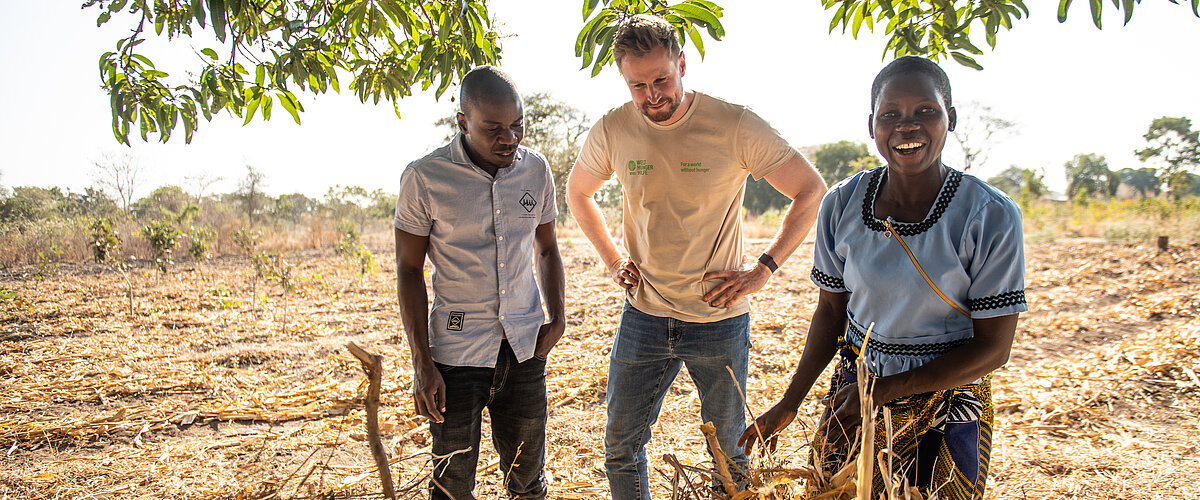
We are supporting the Nutrition Smart Communities project in the Mangochi District of Malawi with donations. The goal of these communities is to improve the nutritional status of people with acute and chronic malnutrition over the long term. The project focuses, among other things, on combating malnutrition among children under the age of five.
The project’s target group is 43 village communities, home to 3,000 families. This corresponds to a total of 16,500 direct project participants, approximately 27% of whom are children under the age of five. The project focuses, among other things, on combating malnutrition among children under the age of five.
This makes a valuable contribution to healthy diets and provides many children and adults with new perspectives for the future.
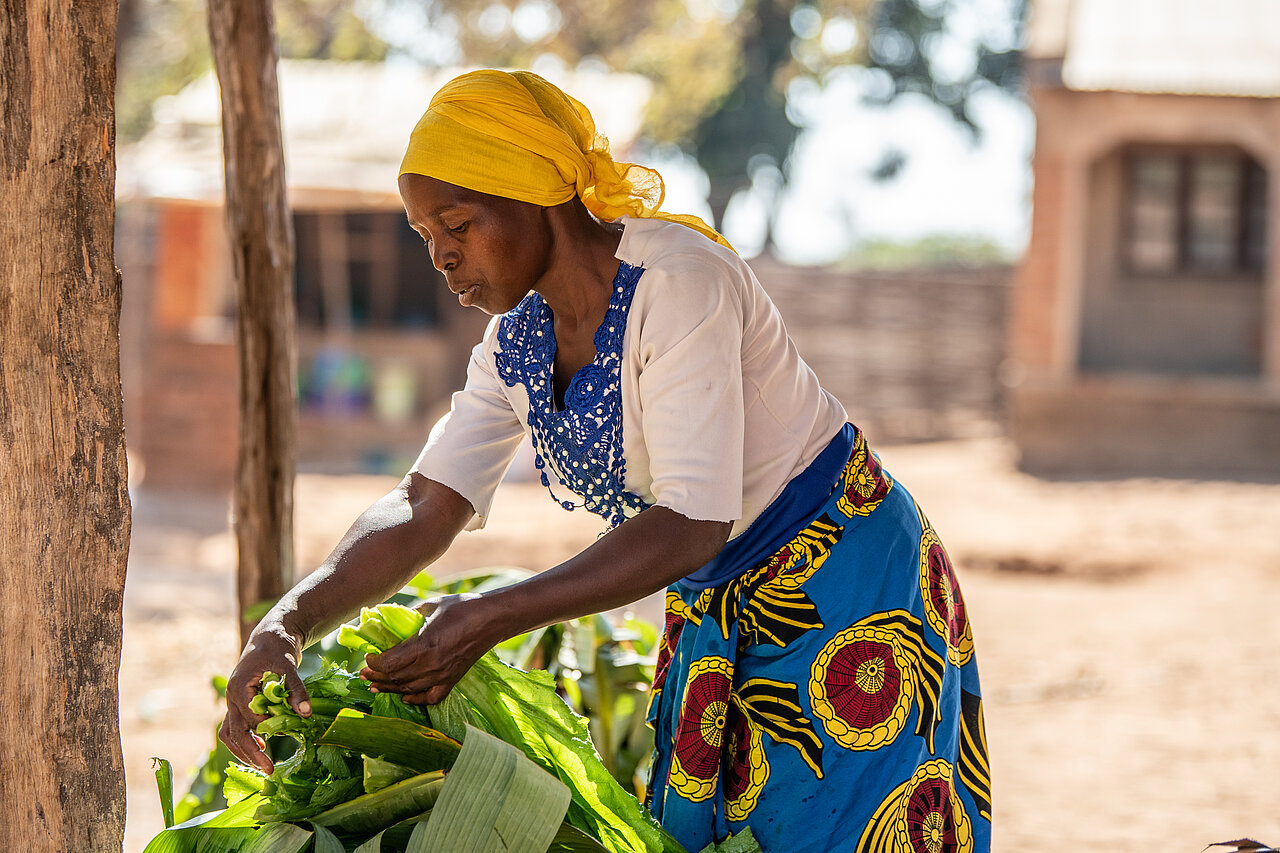
Selling vegetables from the newly planted gardens provides additional income opportunities
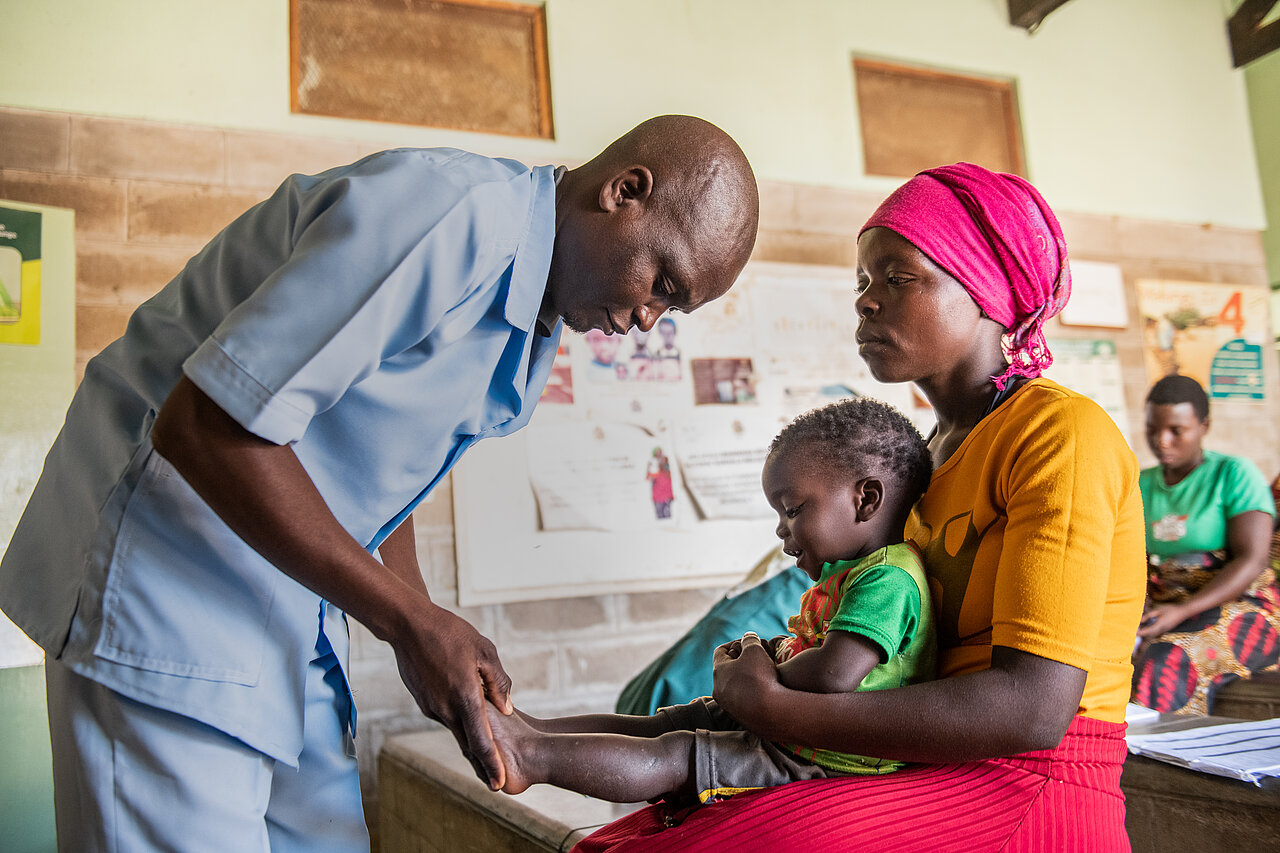
Healthcare for children
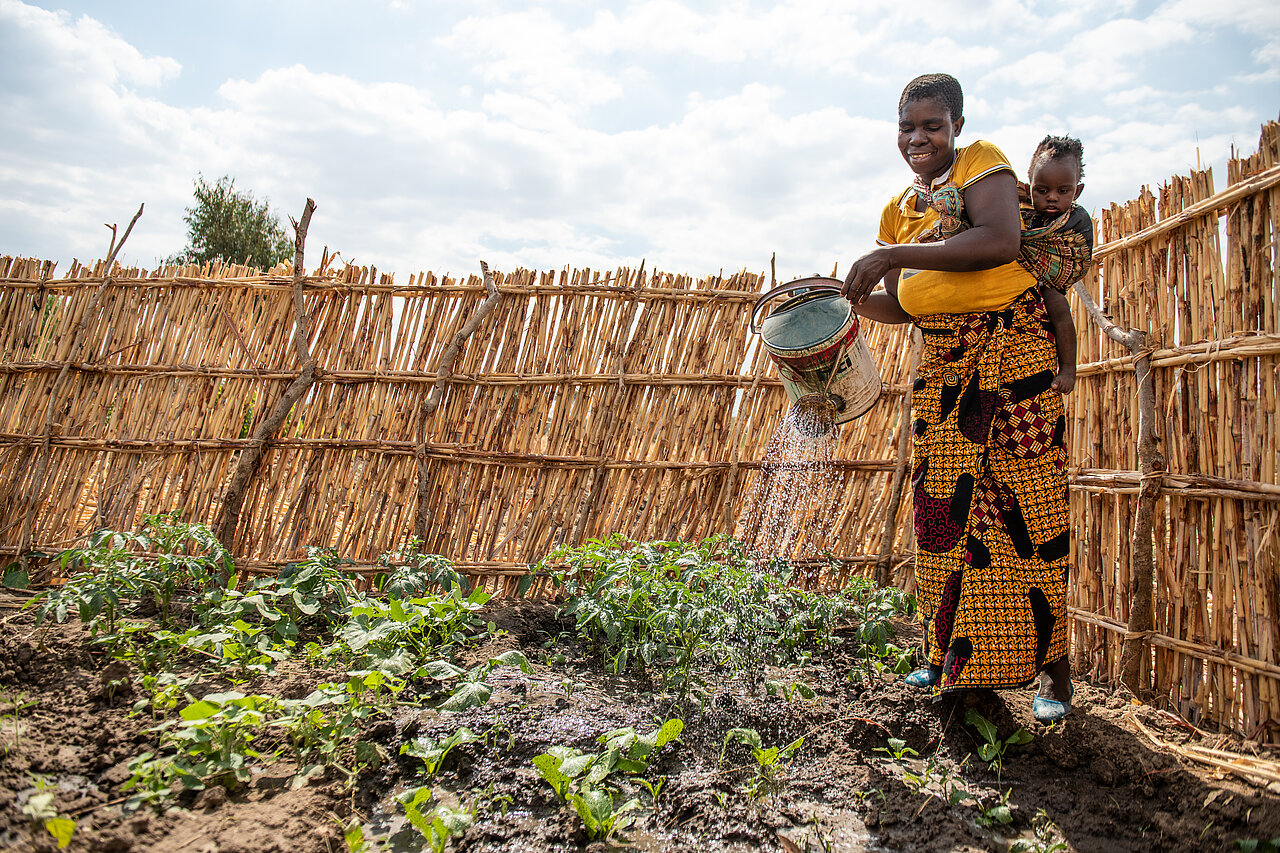
Residential gardens
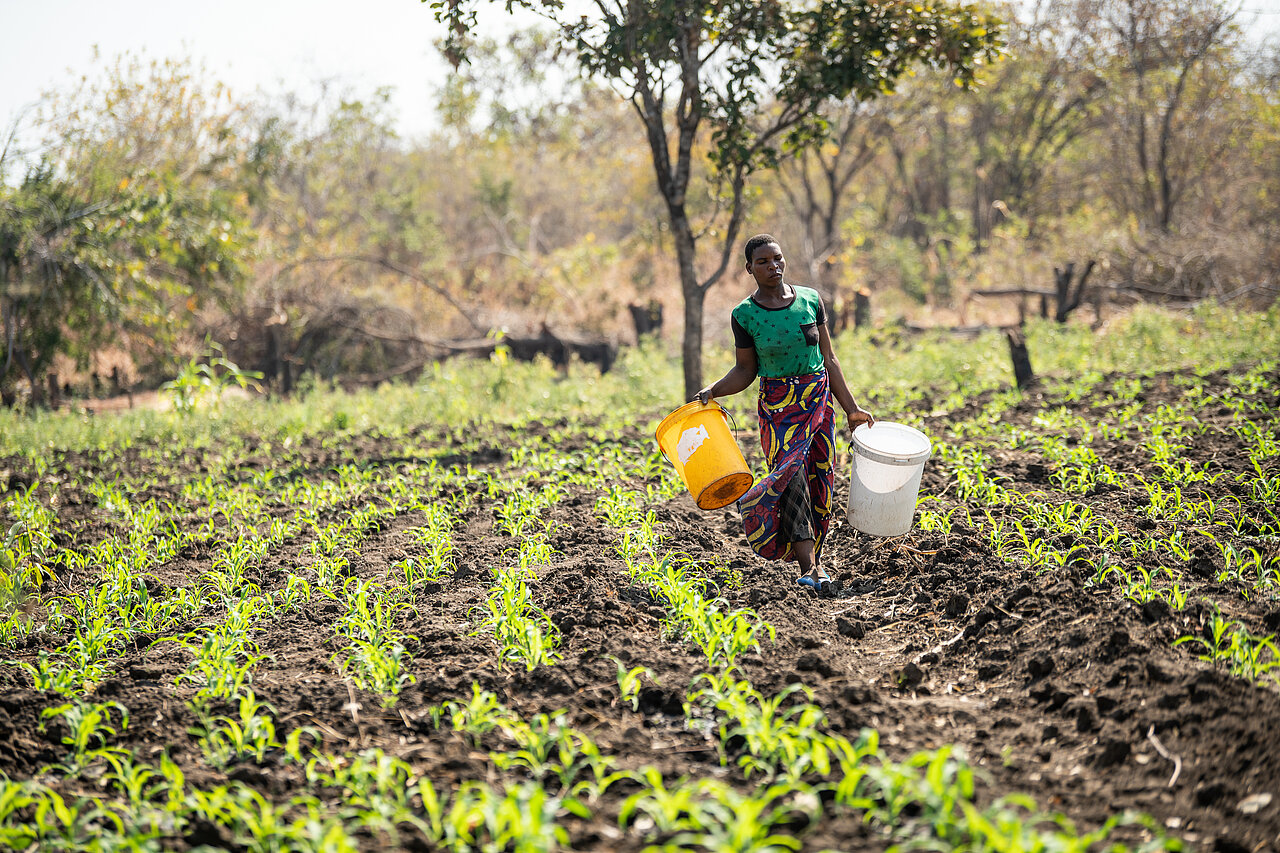
Sustainable agriculture
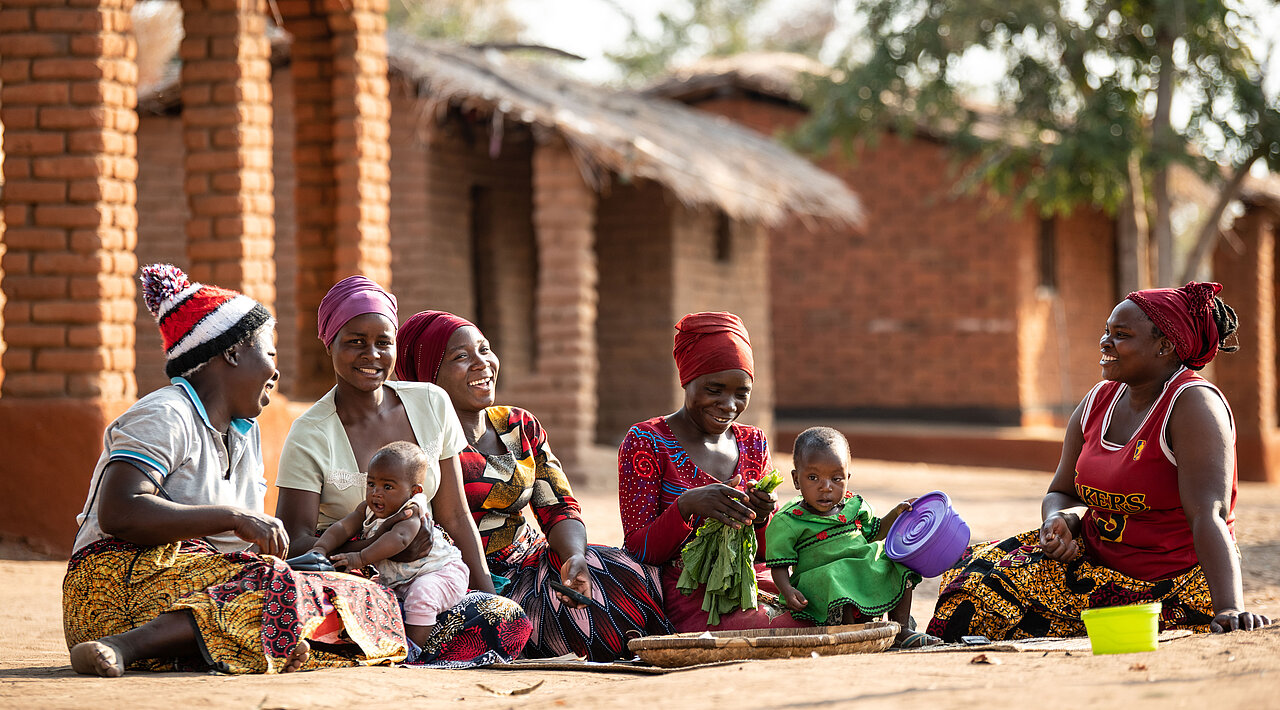
Nutrition Care Group
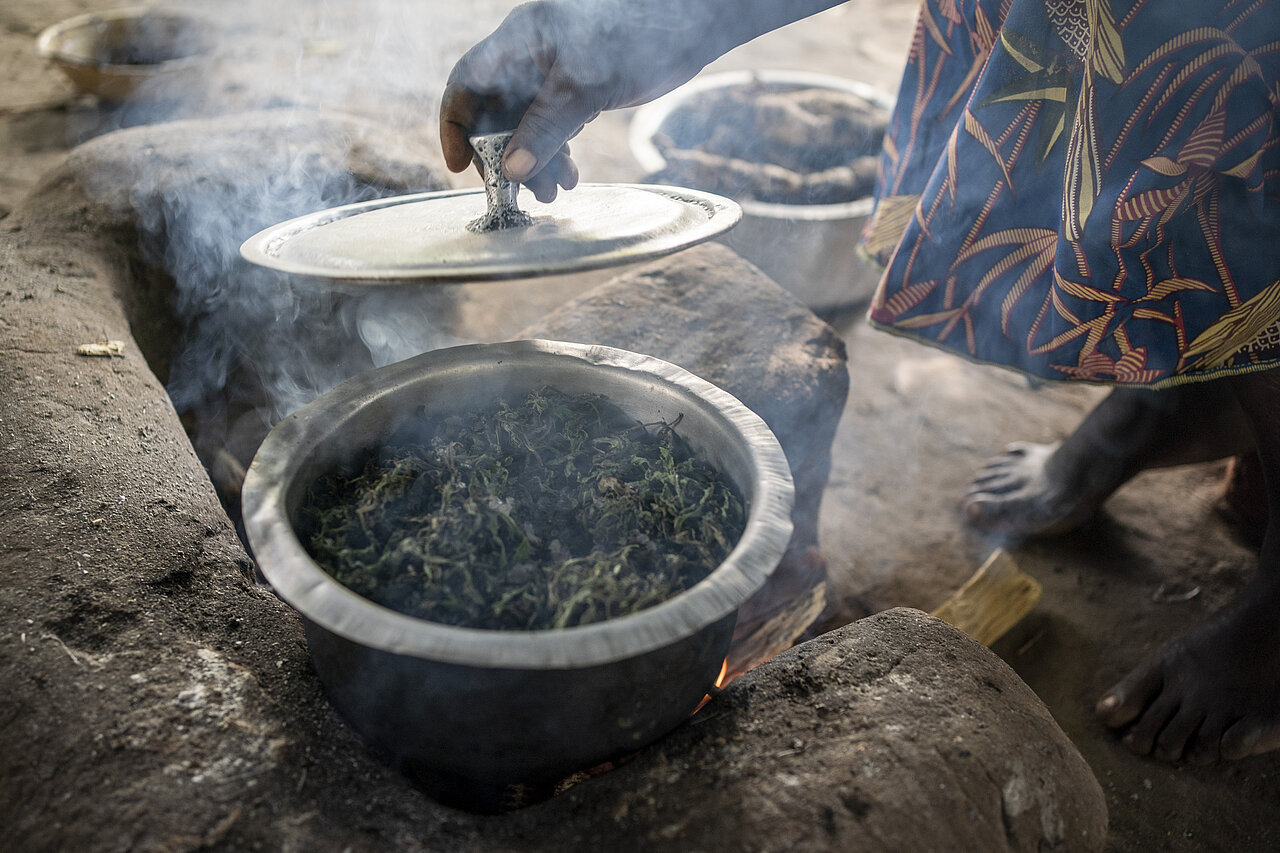
Vegetables from their own garden enable a more nutrient-rich diet.
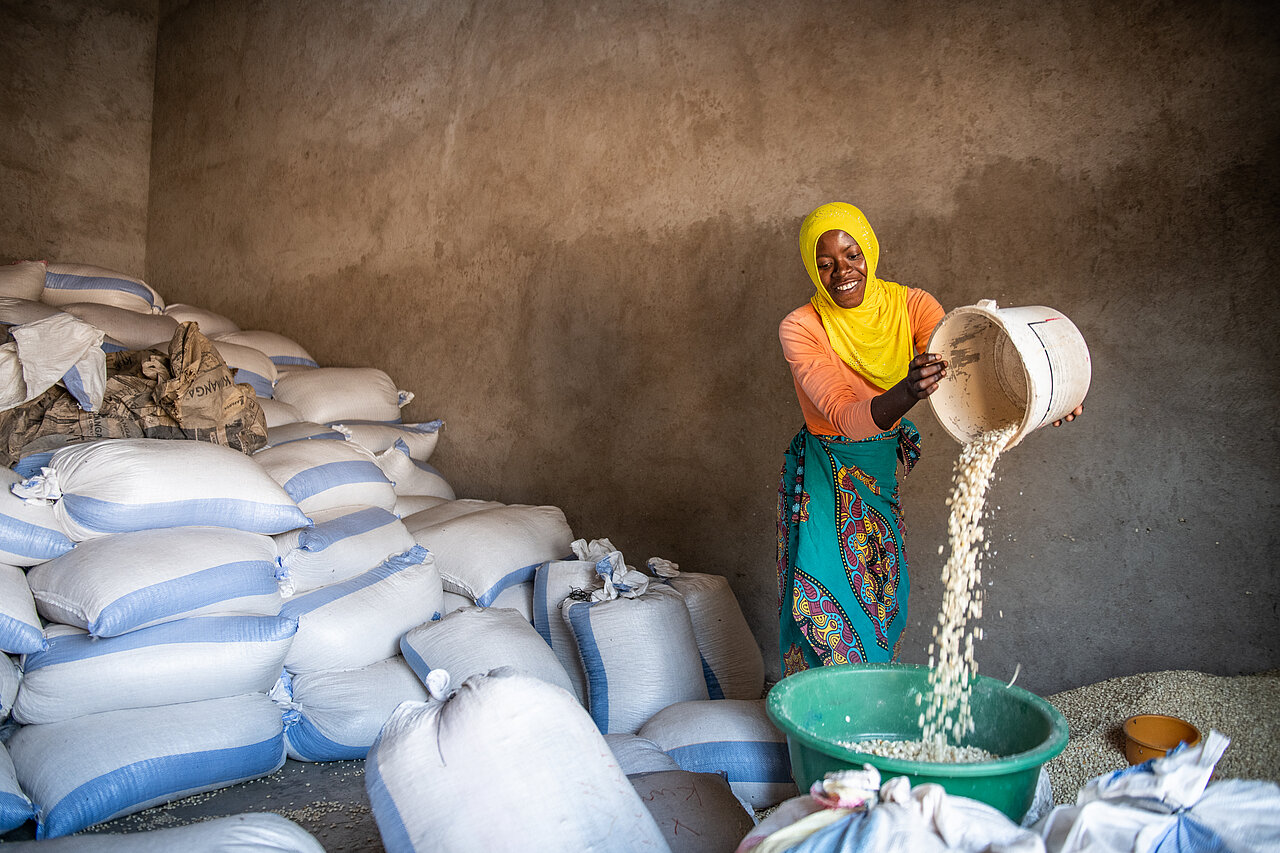
Seed banks
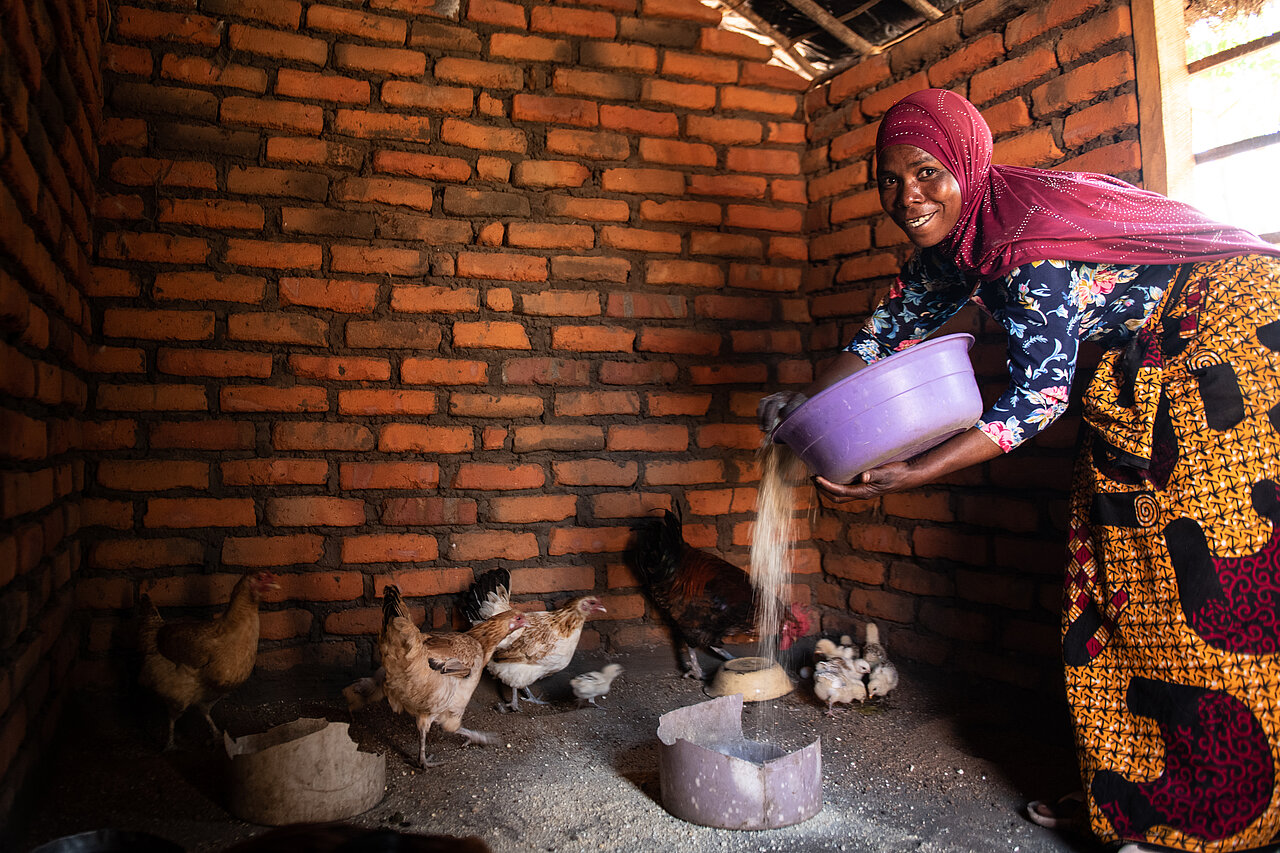
Training in organic small-scale animal husbandry
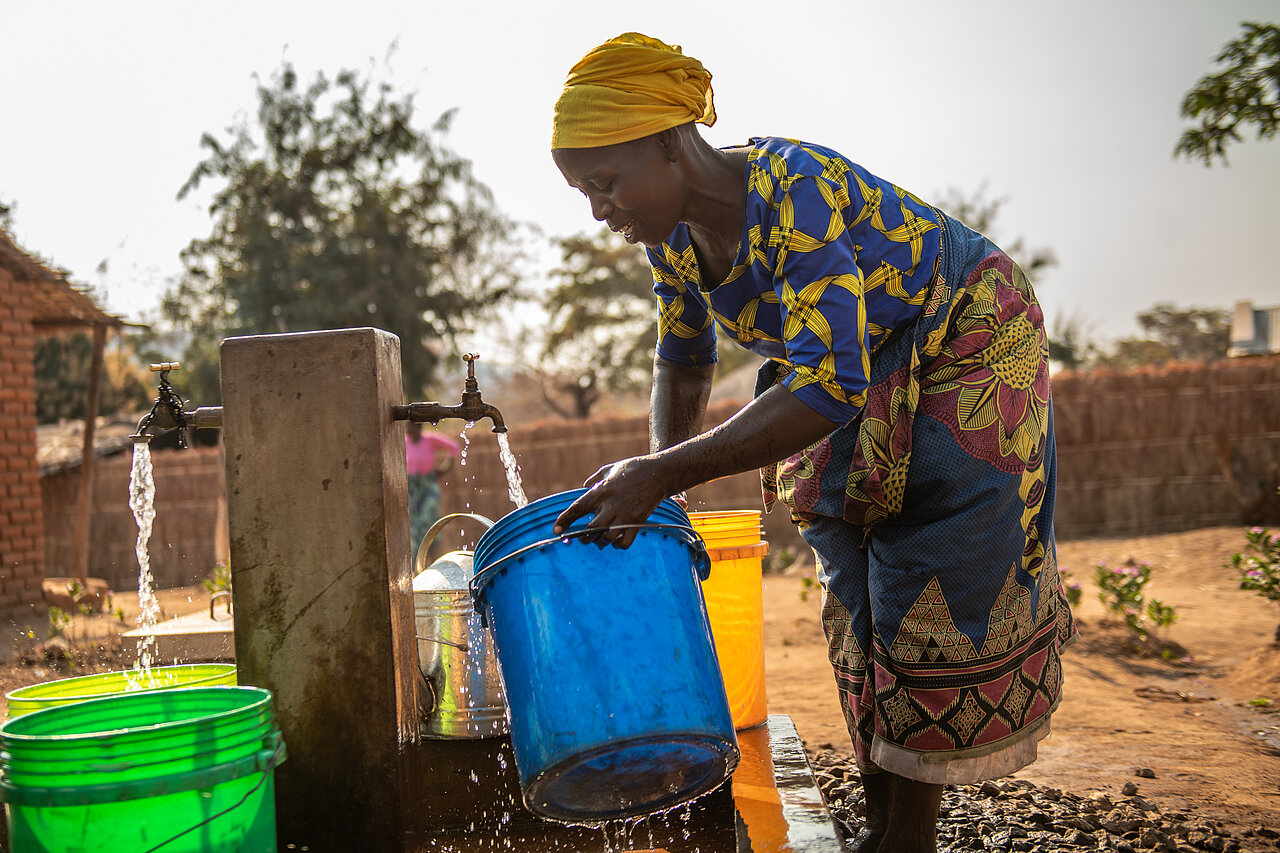
Water supply
Pictures: Copyright: Chikondi/Welthungerhilfe
People in Malawi will be especially supported in nutrition, sustainable and climate-resistant agriculture, health, and hygiene.
This involves the following:
Agriculture and animal husbandry training
Households receive training in sustainable, organic agriculture, as well as poultry farming and small animal breeding. The training is conducted by trained community volunteers.
Seed banks and kitchen gardens
We help establish seed banks and create kitchen gardens for growing nutrient-rich plants.
Community-based treatment of malnutrition
Health aides will be trained to detect malnutrition in children early on and to take specific measures. Education in nutrition, hygiene, and prevention is a central component.
Community and household planning
Together with local authorities, village communities will develop individual plans for improving nutrition, especially for households affected by poverty and malnutrition.
Strengthening of local structures
We work with existing local groups, such as self-help groups, farmers’ organizations, and village committees, to help them actively develop their communities.
Family and gender equality
As part of training in the “gender model family” approach, married couples examine together how they can better manage household tasks and finances.
Date: 03.03.2026